Why Dr. Quinn, Medicine Woman Still Makes Me Want to Escape to Colorado
There are television series I have loved because of their stories, and there are others that somehow become places in my mind. Places I can return to years later and immediately remember not only what happened there, but how being there made me feel.
Dr. Quinn, Medicine Woman has always been one of those places for me.
I know Colorado Springs as it appears in the series is a television world. I know the nineteenth century was far more difficult, dangerous, and unforgiving than the warm version of frontier life we sometimes see on screen. There was no modern medicine as we know it, no comfortable heating at the touch of a button, no quick journey to a supermarket, no phone in your pocket if something went wrong. Daily life demanded far more physical work, and many of the struggles shown in the series were very real.
And yet, whenever I watch it, there is still a part of me that wants to go there.
Not because I believe life was easier.
Because sometimes it looks simpler.
There is a difference.
Our lives today are filled with conveniences people in Michaela Quinn’s world could never have imagined, but somehow those conveniences have not necessarily made life feel quieter. Everything reaches us immediately. Messages, emails, news, appointments, work, advertising, notifications, arguments, other people’s lives. There is always something else asking for our attention.
In Dr. Quinn, the world feels smaller.
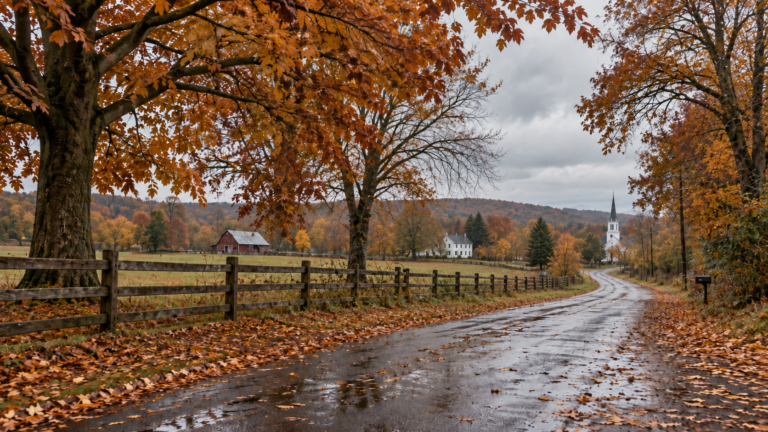
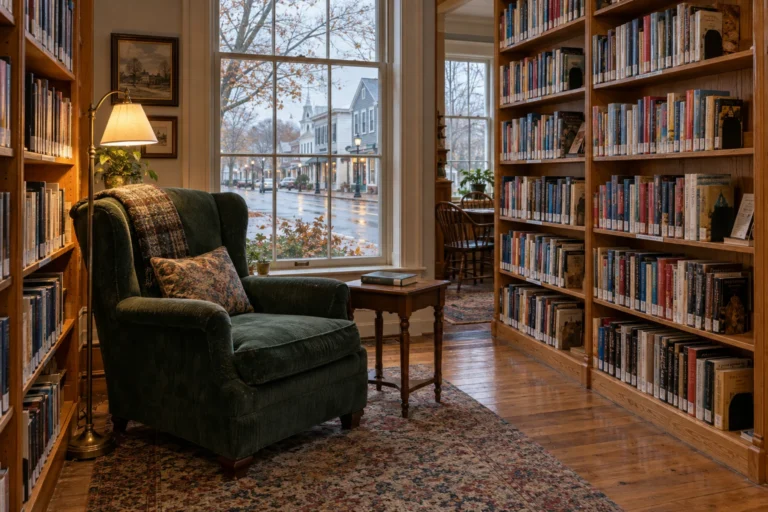
The road ends at the edge of town. The mountains begin beyond it. People know where they belong, who their neighbors are, and where they will probably be tomorrow morning.
And every time I return to that little town beneath the mountains, some part of me wants to stay.
A World Before Everything Became So Fast
Perhaps this is what draws me to the series more than anything else.
There is time in it.
People walk somewhere instead of rushing there. They sit and talk because conversation is the thing they have come to do. When someone travels away, they are genuinely gone for a while. When the evening comes, the day is allowed to end.
There is no strange expectation that everyone should remain available to everyone else at all times.
No phone lighting up beside the bed.
No endless scrolling through lives belonging to people we have never met.
No feeling that while we are doing one thing, we should probably be doing three others.
Of course, people in that world had their own worries, and many of them were far greater than the ones we face during an ordinary modern day. A journey could be dangerous. Illness could become serious frighteningly quickly. Work was exhausting. Winters mattered in a way most of us no longer have to think about.
But when I watch the series, I often notice something else.
People are present in the moment they are actually living.
A meal is a meal.
A visit is a visit.
An evening at home is simply an evening at home.
There isn’t another world constantly buzzing inside someone’s pocket.
And although I would never genuinely trade modern medicine, safety, comfort, or opportunity for nineteenth-century life, I sometimes wish we could bring a little of that separation back.
The ability to let one day be enough.
The Little Town Beneath the Mountains
Then there is Colorado Springs itself.
The dusty main street, the wooden storefronts, the church, the clinic, the homesteads scattered farther out. Horses tied outside buildings. Wagons arriving in town. People stopping in the street because seeing someone was actually an event rather than something that happened through a screen.
I love the smallness of it.
Everyone knows everyone, which admittedly would have its disadvantages. Privacy in a town like that would probably be nearly impossible. But there is something deeply comforting about the idea of living somewhere where people notice when you are missing.
When someone is ill, people know.
When a family is struggling, people know.
When something needs doing, somebody eventually appears.
The town argues constantly. People disagree, judge one another, misunderstand each other and sometimes behave terribly. It isn’t some perfectly harmonious little community.
But they are still connected.
They cannot simply disappear into separate lives.
Their lives overlap too much.
And I think that is something many of us have slowly lost.
We can live surrounded by thousands of people now and barely know who lives three houses away.
In Colorado Springs, someone would probably know what you had for breakfast before lunchtime.
I’m not sure I need quite that much community.
But perhaps a little more wouldn’t hurt.
The Colorado I Fell in Love With Through the Series
I think Dr. Quinn also gave me one of my earliest versions of Colorado.
Those mountains behind everything.
The open country.
The forests and rivers and enormous skies.
Sully moving through landscapes that always seemed to belong to him more naturally than any building ever could.
Even knowing that television creates its own version of a place, that scenery became inseparable from Colorado in my imagination.
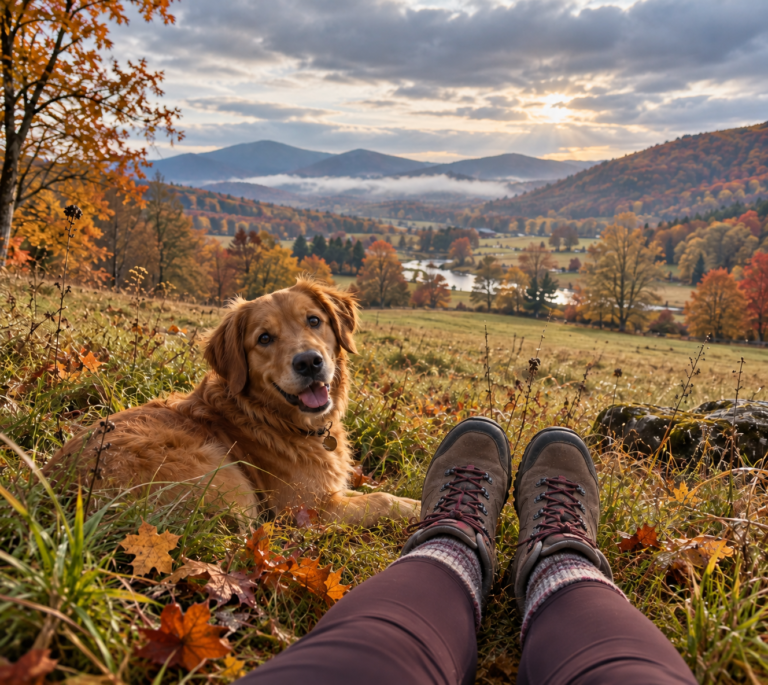
It is probably one of the reasons Colorado in autumn appeals to me so much now — golden trees against dark mountains, long roads between small towns, and that sense that you could keep driving until the modern world became very far away.
The landscape in Dr. Quinn always makes human problems feel smaller somehow.
A difficult conversation happens, and behind it there are mountains that have been standing there for thousands of years.
Someone rides away angry, and soon all you can see is open country.
People build houses, fall in love, lose things, begin again, and the landscape remains around them.
Perhaps that is part of what I want when I imagine escaping somewhere like Colorado.
Not to run away from life.
Just to put it back into proportion.
Michaela and Sully Are Part of Why I Keep Returning
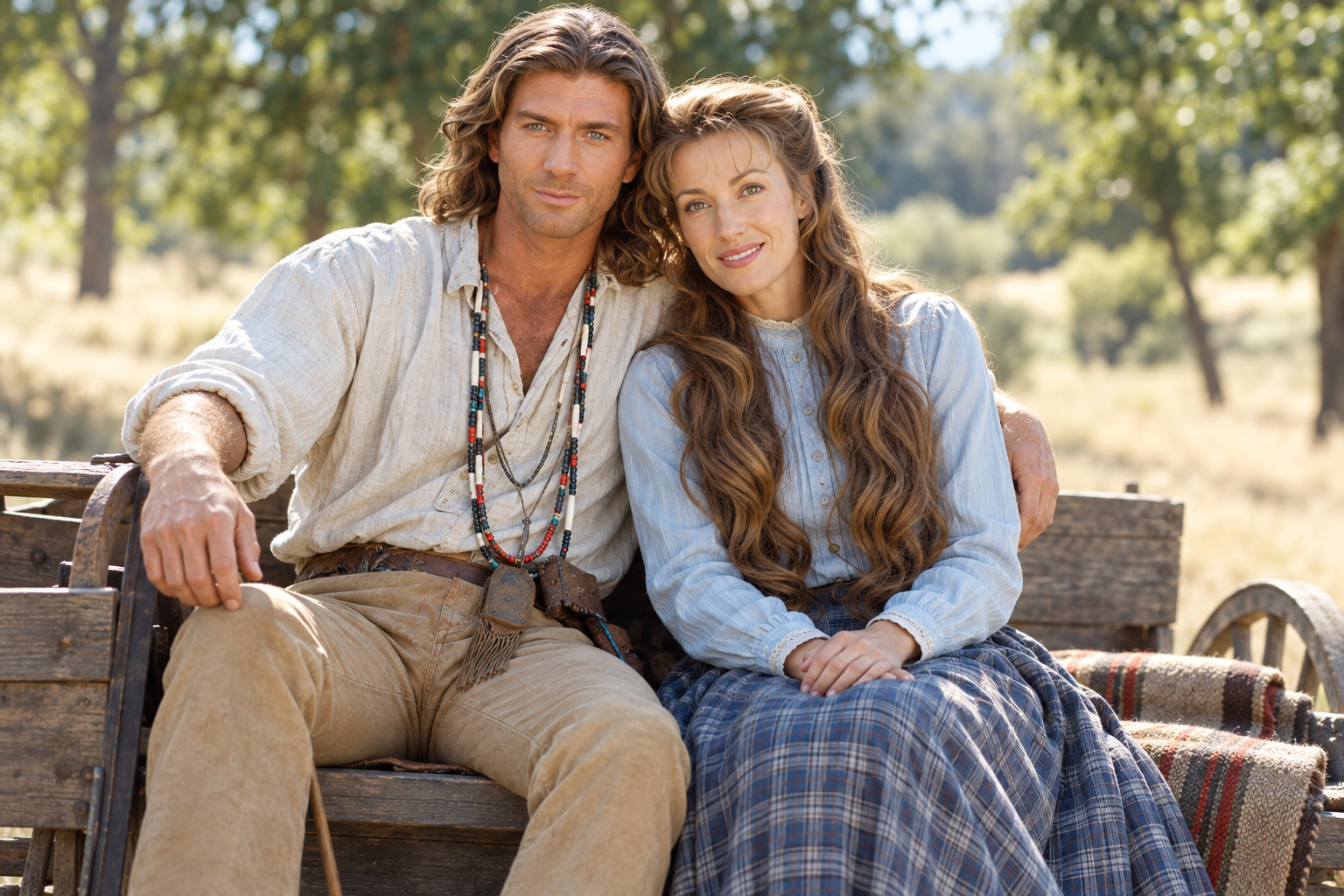
And of course, it would be impossible for me to write about loving Dr. Quinn, Medicine Woman without talking about Michaela and Sully.
Their relationship is one of the things that gives the series so much of its warmth.
There is romance, certainly, but what I love most is the feeling that they gradually become somewhere safe for one another.
They are very different people.
Michaela comes with education, determination, strong opinions and a need to prove that she belongs in a world that repeatedly tells her she does not. Sully belongs much more naturally to the wilderness, distrusts many of the assumptions of society around him, and often seems most comfortable when he is away from town entirely.
And somehow those differences work.
Neither of them needs the other to become exactly like themselves.
That may be what I find most appealing about them.
Their relationship feels less like two people disappearing into each other and more like two people making room for each other.
There is tenderness without everything becoming sentimental. There are disagreements without constantly making us question whether the relationship itself matters.
And underneath it all there is loyalty.
That kind of love feels very comforting to watch.
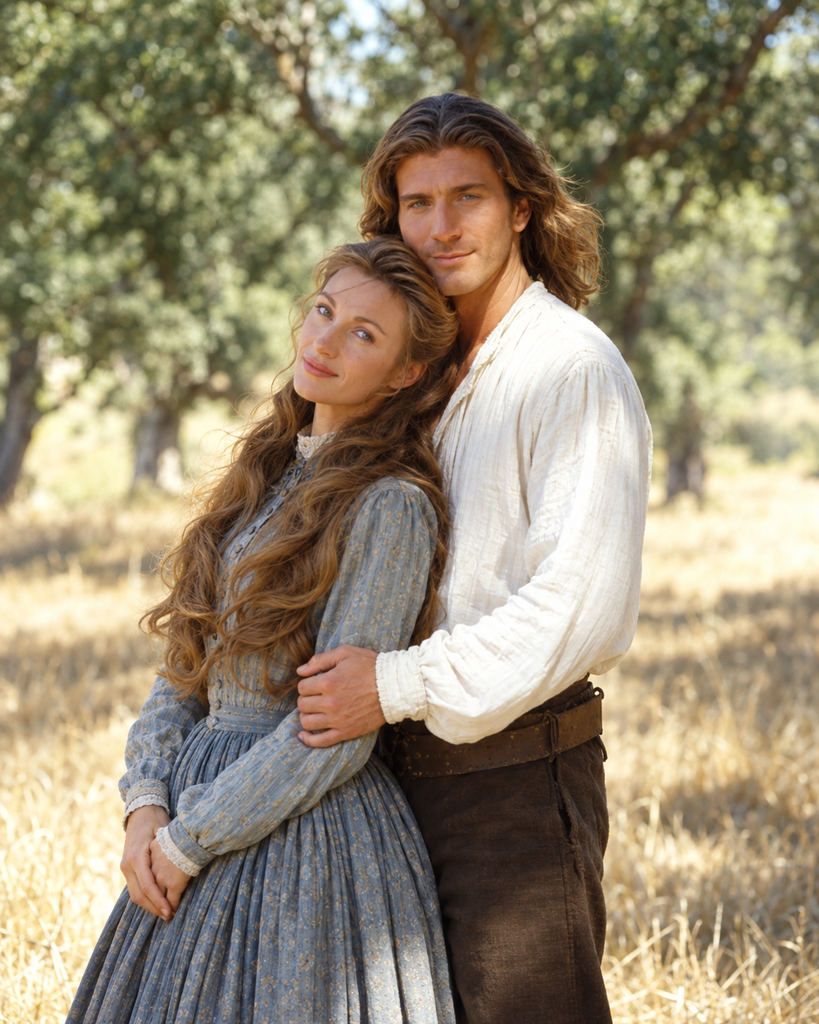
I think that is why their quieter scenes often stay with me more than the dramatic ones.
A look.
A conversation outside.
Standing together after something difficult has happened.
A moment where nothing spectacular is taking place, but you understand that these two people have become home to each other.
Perhaps I am becoming increasingly sentimental as I get older.
I am perfectly comfortable with that.
Difficult Lives, But Clearer Priorities
One of the reasons I would never describe the world of Dr. Quinn as simply “better” is that life there was clearly hard.
People worked until they were exhausted.
Women had far fewer choices.
Medical treatment was limited.
Travel took time.
Weather could genuinely threaten a family’s survival.
Injury, childbirth, infection and illness carried risks we are fortunate not to experience in the same way today.
And many of the social attitudes of the period were cruel and unjust.
So when I say that I sometimes want to escape into that world, I don’t mean I want those realities.
What I want is something underneath them.
The clarity.
When winter is coming, preparing for winter matters.
When someone you love is sick, being beside them matters.
When food has to be grown, prepared and preserved, food matters.
When reaching another town requires hours or days rather than twenty minutes on a motorway, distance matters.
Life’s necessities are visible.
Today we have removed ourselves from so many of those difficulties, which is an extraordinary achievement.
But perhaps in the process we have created an entirely different kind of exhaustion.
Our bodies have easier lives while our minds rarely seem to stop.
We have machines to save time and then somehow fill every minute they save.
We have instant communication and still feel that we don’t see people enough.
We have endless entertainment and still sometimes feel restless in a quiet room.
That contradiction fascinates me.
Perhaps that is why an old television western can suddenly feel strangely peaceful.
Evenings That Actually Feel Like Evenings
There is one particular feeling in older stories that I always notice.
Night means something.
When darkness falls in Dr. Quinn, the world becomes smaller.
The town quiets.
People go home.
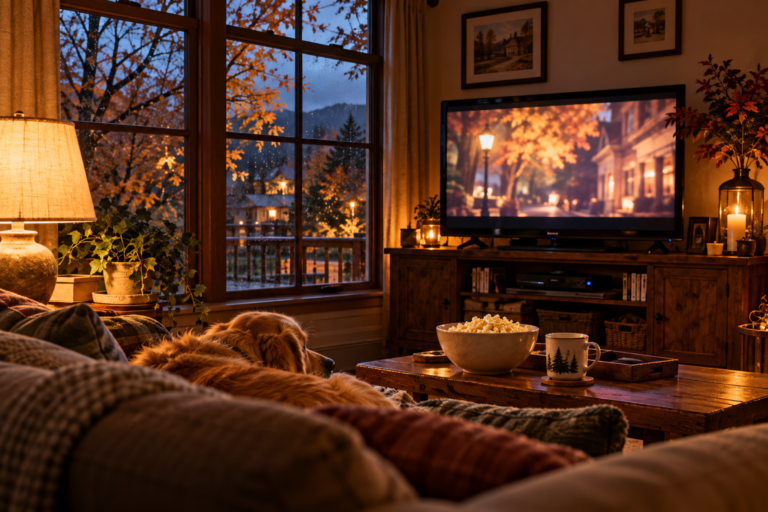
Lamps are lit.
Someone sits at a table.
A fire burns somewhere.
Outside, beyond the little circle of human light, there is simply darkness and mountains.
I love that.
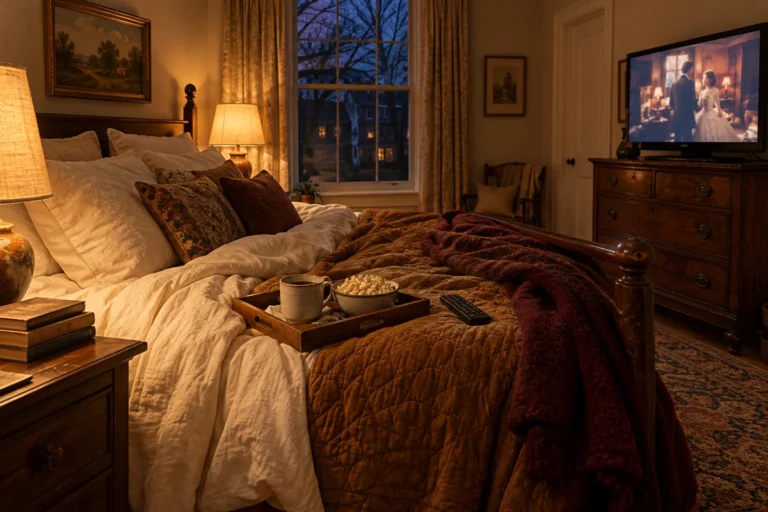
Modern evenings barely need to be evenings anymore.
We can shop at midnight, answer work emails from bed, watch television until morning, order food without leaving the sofa, speak instantly to someone thousands of miles away and fill every quiet moment with another screen.
Again, these things are wonderful.
But sometimes I wonder what it would feel like if darkness still gave us permission to stop.
If evening meant the day’s work was finished because there genuinely wasn’t much more you could do until morning.
If home became the whole world for a few hours.
That is one of the feelings Dr. Quinn gives me.
Not excitement.
Permission to slow down.
The Beauty of Ordinary Work
I also love how much of life in the series happens through ordinary tasks.
Someone is fixing something.
Cooking something.
Caring for a horse.
Treating a patient.
Preparing for weather.
Building a home.
Washing clothes.
Traveling somewhere on horseback because that is simply how you get there.
There is a physical reality to life.
You can see what people have done at the end of the day.
Modern work can be much stranger.
Many of us spend hours producing things that exist entirely on screens, sending files to people we have never met, answering messages about projects that will never occupy any physical space around us.
There is nothing wrong with that. It is simply different.
But perhaps that is why watching someone split wood or saddle a horse can suddenly feel satisfying.
The task begins.
The task ends.
Something tangible has changed.
There is a simplicity in that which I think the modern world quietly makes us miss.
A Community That Has to Keep Trying
The people of Colorado Springs do not always like one another.
That is important.
If everyone were endlessly kind and agreeable, the place would feel artificial.
Instead, the town is filled with difficult personalities, old prejudices, arguments, misunderstandings and people who occasionally make you want to shout at the television.
But they keep having to live together.
That is what makes the community interesting.
They cannot simply block each other and disappear.
Tomorrow they are going to meet again outside the general store.
Next week they may need each other’s help.
Eventually something will happen that forces them to stand together.
There is something quietly valuable in that idea.
Community isn’t necessarily a group of people who agree.
Sometimes it is a group of people who remain connected despite not agreeing.
They argue.
Then someone needs help.
And they show up.
Perhaps that is another thing I love about the series.
It believes belonging requires effort.
Sully and the Appeal of Stepping Outside the World
Sully probably represents the greatest part of the fantasy for me.
Not simply because he is Sully — although I am certainly not going to pretend that has nothing to do with it.
It is what his life represents.
He can walk away from town and into another kind of world.
The forest isn’t entertainment for him. It is not somewhere he visits for a weekend and photographs before returning home.
It is part of his life.
He understands the weather, animals, trails and landscape around him in a way most modern people rarely have the opportunity to understand any place.
I find that enormously appealing.
There is so much information available to us now that sometimes knowledge itself becomes strangely detached from experience.
We can know tomorrow’s weather without looking at the sky.
We can identify a mountain without ever climbing it.
We can see photographs of places we may never visit.
We can know everything about somewhere and still never truly know the place.
Sully’s world feels like the opposite.
Knowledge comes from attention.
You notice because noticing matters.
And I think I would like a little more of that in my own life.
Why I Still Want to Go Back
I don’t watch Dr. Quinn, Medicine Woman because I believe the past was better.
It wasn’t.
I watch because this particular imagined version of the past reminds me of things I don’t want the present to make me forget.
That life doesn’t always have to move quickly.
That people need communities.
That nature can still make our problems feel smaller.
That an evening at home can be enough.
That meaningful work doesn’t always need to be impressive.
That love can be steady rather than dramatic.
That sometimes you can simply sit beside someone without needing anything else to happen.
And that there is value in knowing when the day is finished.
Maybe that is why the series still feels so comforting to me after all this time.
I am not really longing for the nineteenth century.
I am longing for space.
For slower mornings.
For fewer things asking for my attention.
For a road leading out of town and mountains waiting beyond it.
For a world where someone might ride away for the afternoon and actually be unreachable until they came home.
For evenings illuminated by a few lamps rather than twenty glowing screens.
For conversation without interruption.
For the feeling that where I am is enough.
And every time I return to Dr. Quinn, Medicine Woman, for a little while, that world still seems possible.
Colorado Springs appears beneath the mountains again.
Michaela is there.
Sully is somewhere nearby.
The horses are tied outside.
The road stretches beyond the edge of town.
And the modern world becomes quiet for an hour.
Perhaps that is the real reason I love it.
Not because I want to live in the past.
Because sometimes I want the present to slow down enough that I can actually live in it.